I was on maternity leave with my first child when the call came. The Global creative team wanted to look at outsourcing a creative services team in Manila. It was the first service to move over there and they wanted me back to work through the process and figure out a solution over there and build the first part of the centre — a four person design hub.
What I figured out, over the next several years, became a 55-person creative hub in Manila that fundamentally changed how we thought about distributed creative production. It started as a cost conversation. It became something much more interesting.
The problem wasn’t capacity. It was system.
The obvious answer was “hire offshore, pay less, get more throughput.” That’s how most organisations approach it. It’s also why most offshore creative teams produce mediocre work and breed resentment on both sides.
What I needed to solve was different. I needed to systematise the creative process so that quality could be measured, workflows could be monitored, and approval gates could function across timezones without everything bottlenecking through one person in Melbourne.
That meant building a system before building a team. What are the workflow stages? Where are the approval gates? How do we build up these staff in hypercare so they feel supported? Who has authority to approve at each stage? What does “done” look like at each step? How do you give feedback that’s actionable across a cultural and language gap?
Monday.com changed the way we structured approval gates and stakeholder reviews. It gave us visibility into where work was sitting, who was blocking what, and where the process was breaking. The tool mattered less than the transparency it created.
Building the team as partners, not support
Here’s where most offshore hubs fail: they treat the remote team as a service desk. Work comes in, work goes out, nobody knows anyone’s name. The relationship is transactional, and the output reflects it.
We did the opposite. The offshore team were part of the team. They attended the same meetings. They had the same context about why we were doing what we were doing. My ANZ team mentored them, and over time, the offshore team mentored back.
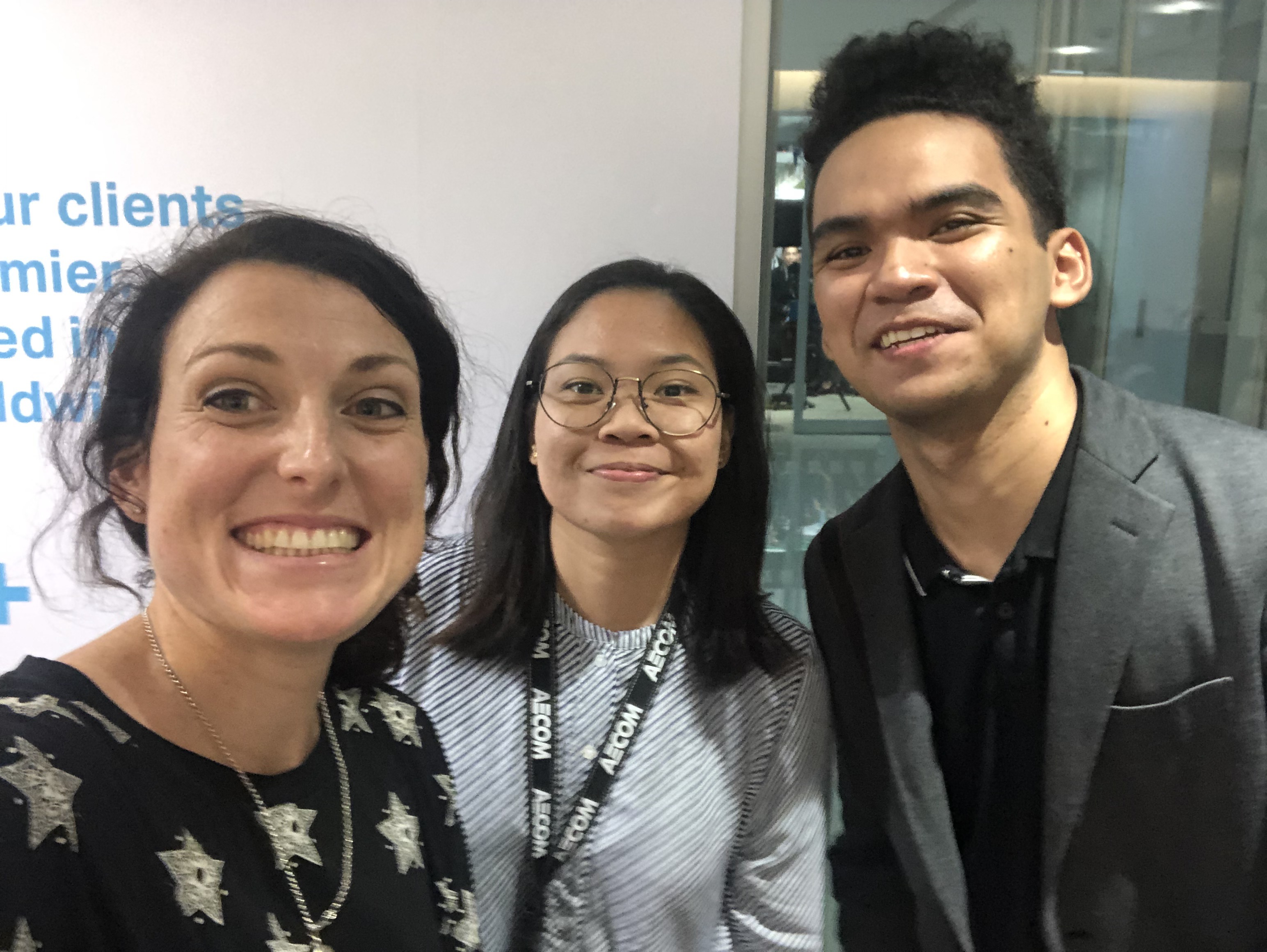
The decision that changed everything was giving the offshore team a platform to teach. They taught our ANZ teams about their culture, their history, how Filipino perspectives might inform the way we approach creative work. We brought team members to Australia. We went to Manila. People knew each other’s names, their families, their ambitions.
We gave permission to disagree. That sounds small, but in a culture where deference to seniority is deeply embedded, creating platforms for honest feedback — outside of the all-hands environment, through one-on-ones and Teams messages — was essential. A junior designer in Manila who spots a problem needs to feel safe saying so. That safety has to be designed into the operating model, not assumed.
“The decision that changed everything was giving the offshore team a platform to teach.”
Growing specialities, not just headcount
The hub grew to 55 people, but the growth was intentional. People developed specialities — animation, film production, template systems, data visualisation. They moved past the transactional and became creative partners who were trusted with complex work.
ANZ became the centre of excellence for the model. Other regions looked at what we’d built and wanted to replicate it. The reason it worked was visible: sometimes the Manila team produced better work than most onshore teams because they were invested in the outcome, not just the task. They had ownership.
The quality control came from the system — the approval gates, the workflow visibility, the structured feedback loops. But the quality of the work came from the culture. From treating people as colleagues with expertise worth developing, not as resources to be allocated.
What this taught me about distributed teams
Every conversation about offshore or distributed creative work gets stuck on cost and quality. Those are the wrong starting points.
Start with the system. Can you define the workflow clearly enough that someone in a different timezone, working asynchronously, can produce work that meets your standards without you standing over them? If you can’t, the problem is your process, not your team’s location.
Then invest in the relationship. Fly people to each other. Create cultural exchange that goes both directions. Give the remote team authority and visibility, not just tasks. Build feedback channels that work for people who might not speak up in a group call.
The Manila hub wasn’t a cost play that happened to work. It was a systems design project that happened to save money. The organisations trying to replicate it by hiring cheap and hoping for the best will keep getting what they’ve always gotten.
What AI changes about this
The work the Manila hub was built to do is largely the work AI does now. Template production. Asset resizing. Format variations across regions. The repeatable, structured, high-volume output that justified the offshore model — generative AI handles that without the timezone coordination or approval gates.
But the most important thing we built in Manila wasn’t the production system. It was giving people permission to think beyond it. The platform to teach. The safety to disagree. The latitude to bring a genuine perspective into the work rather than just execute what arrived in the brief.
That turned out to be the capability that lasts.
The system handles the repeatable work. The people handle everything the system can’t. That was true in Manila. It’s still true now.
Building distributed creative teams?
We help organisations design systems, build culture, and scale creative operations across timezones. Let’s talk about your approach.
Get in touch